
WALD.WEIT does sport. Your active holiday in the Rheingau.
Start running. Feel every muscle. WALD.WEIT - The hotel for athletes. Hiking. Running. Biking. Yoga. Meditation. Fit and mindful. Take a sporty break in the Rheingau close to the Rhine-Main region. Enjoy you fitness holiday in the WALD.WEIT Rheingau Hotel & Retreat. Go to the gym, into the forest, on the rooftop. Your body and mind will thank you.

Sights
- Can be reached on foot via the Rheinsteig (45 min)
- 5 kilometres by car
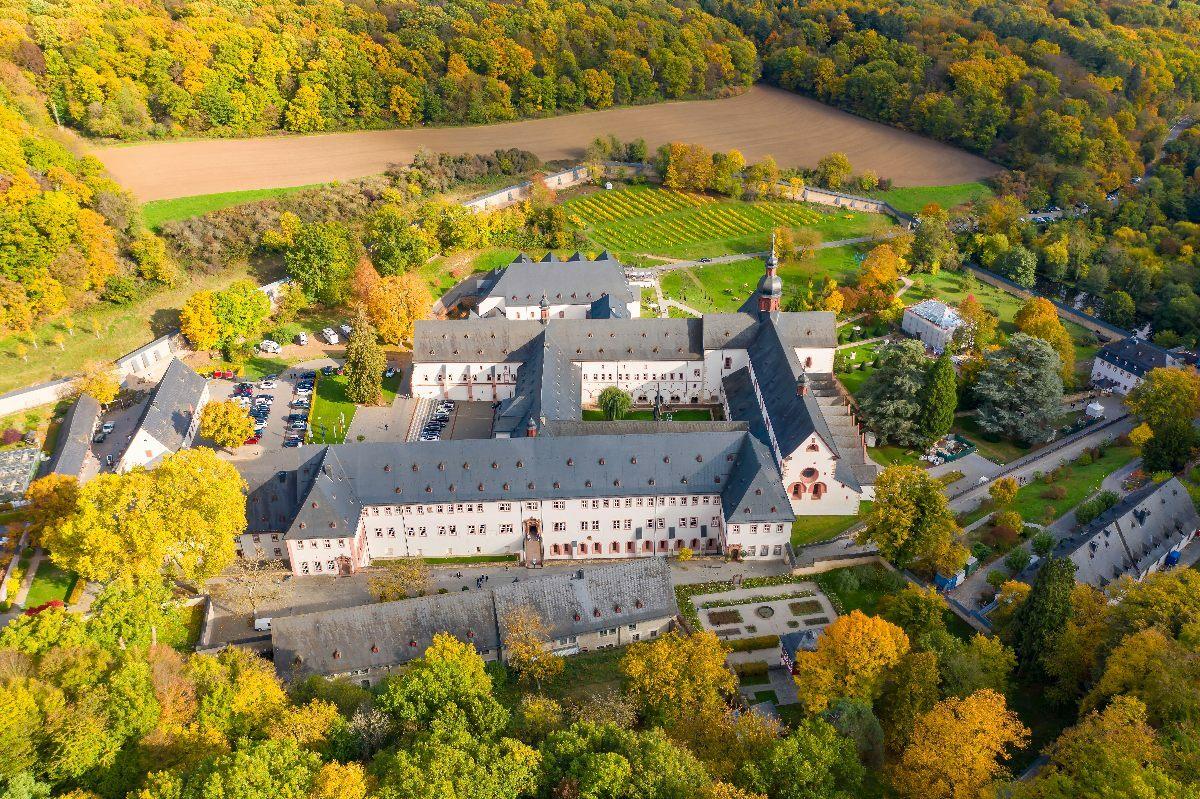
The famous Monastery Kloster Eberbach, founded in 1136 by Bernhard von Clairvaux, is a former Cistercian abbey Romanesque and early Gothic architecture characterise the ensemble.
- Within walking distance (20 min)
- 3 kilometres by car
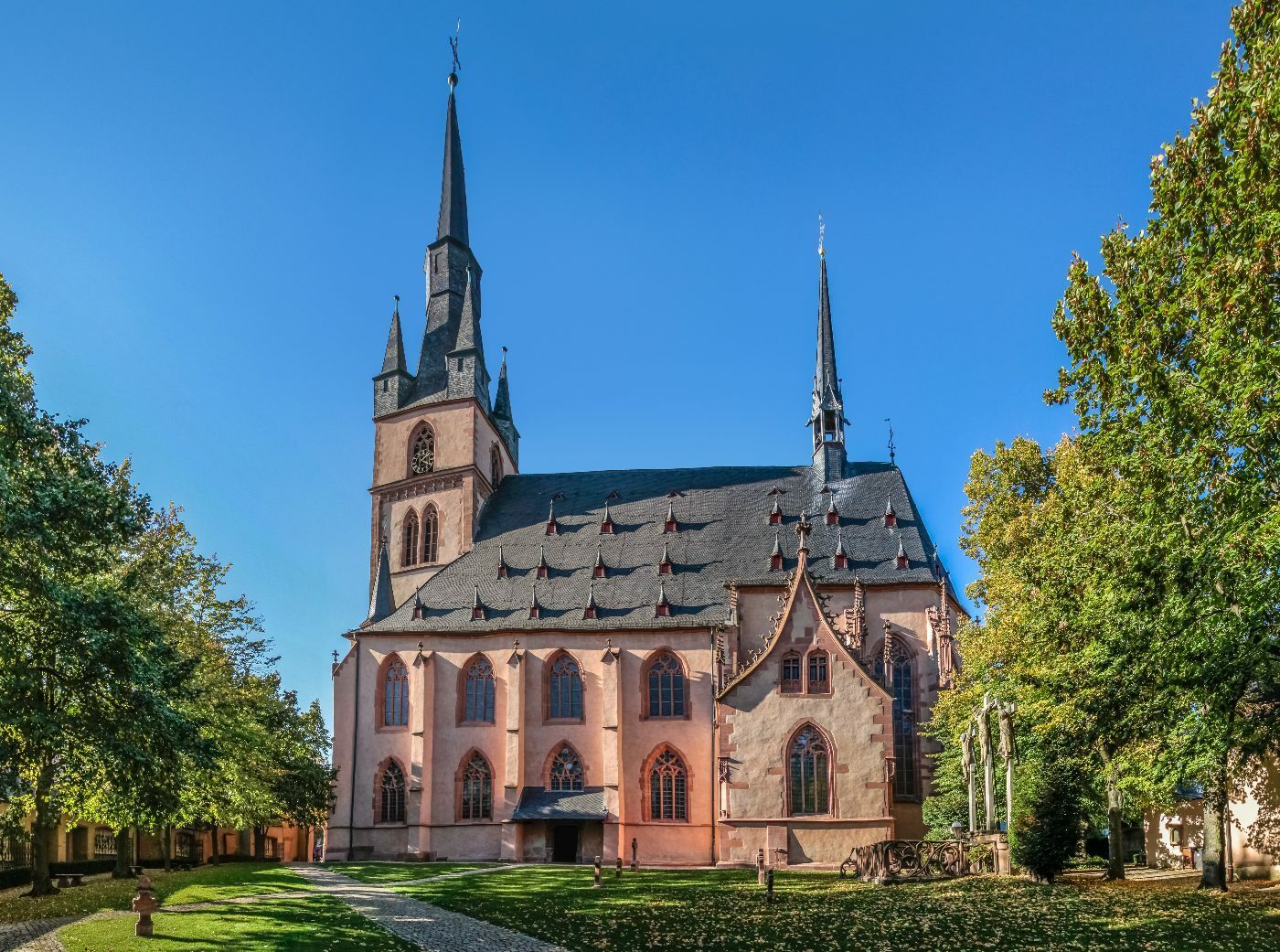
St Valentine's Church in Kiedrich is a stunning work of Gothic achitecture. Built between 1330 and 1380, it was elevated to the status of basilica minor by the Pope in 2010.
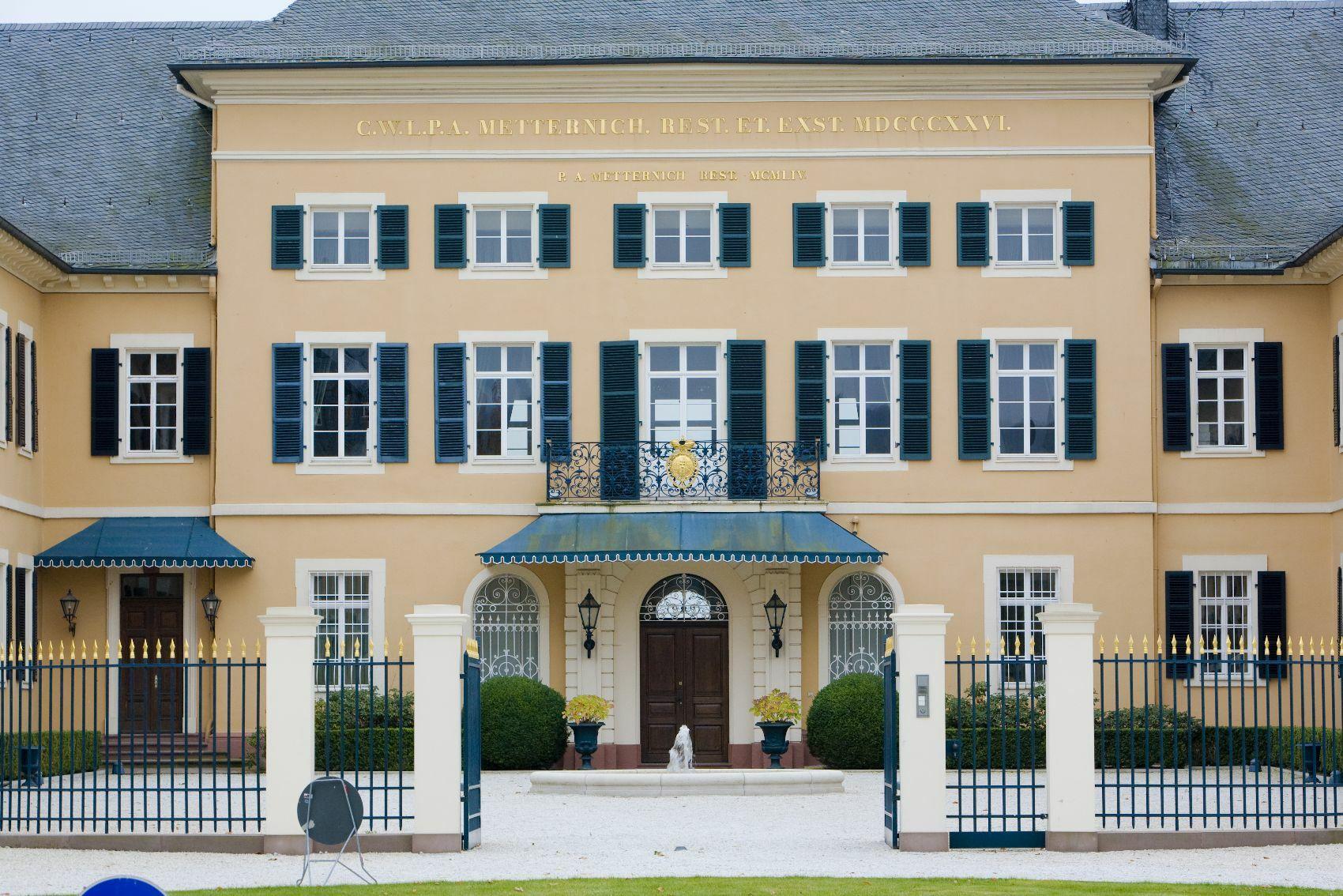
- 15 Kilometer mit dem Auto
Hier weilte 1814 schon Goethe – und noch heute lockt einer der schönsten Prachtbauten des Rheingaus Besucher aus aller Welt. Bemerkenswert – neben dem geschichtsträchtigen Weinbau – ist der Wohnturm aus dem 14. Jahrhundert.
- 17 kilometres by car
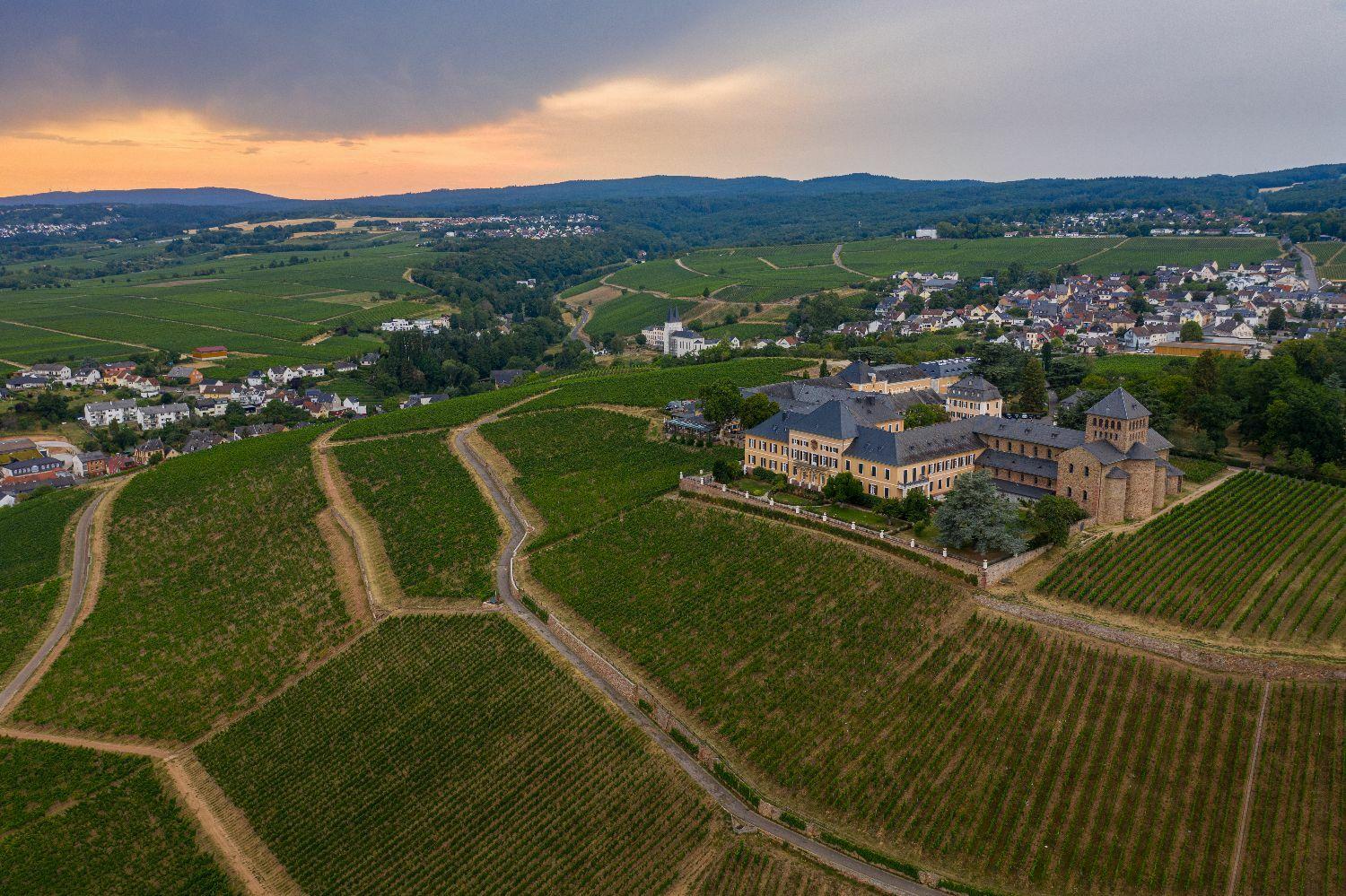
The world's first Riesling vineyard is located in the Rheingau: wine has been cultivated on Johannisberg since 817. The Benedictine monastery dates back to 1100 and Johannisberg Castle was built in 1716.
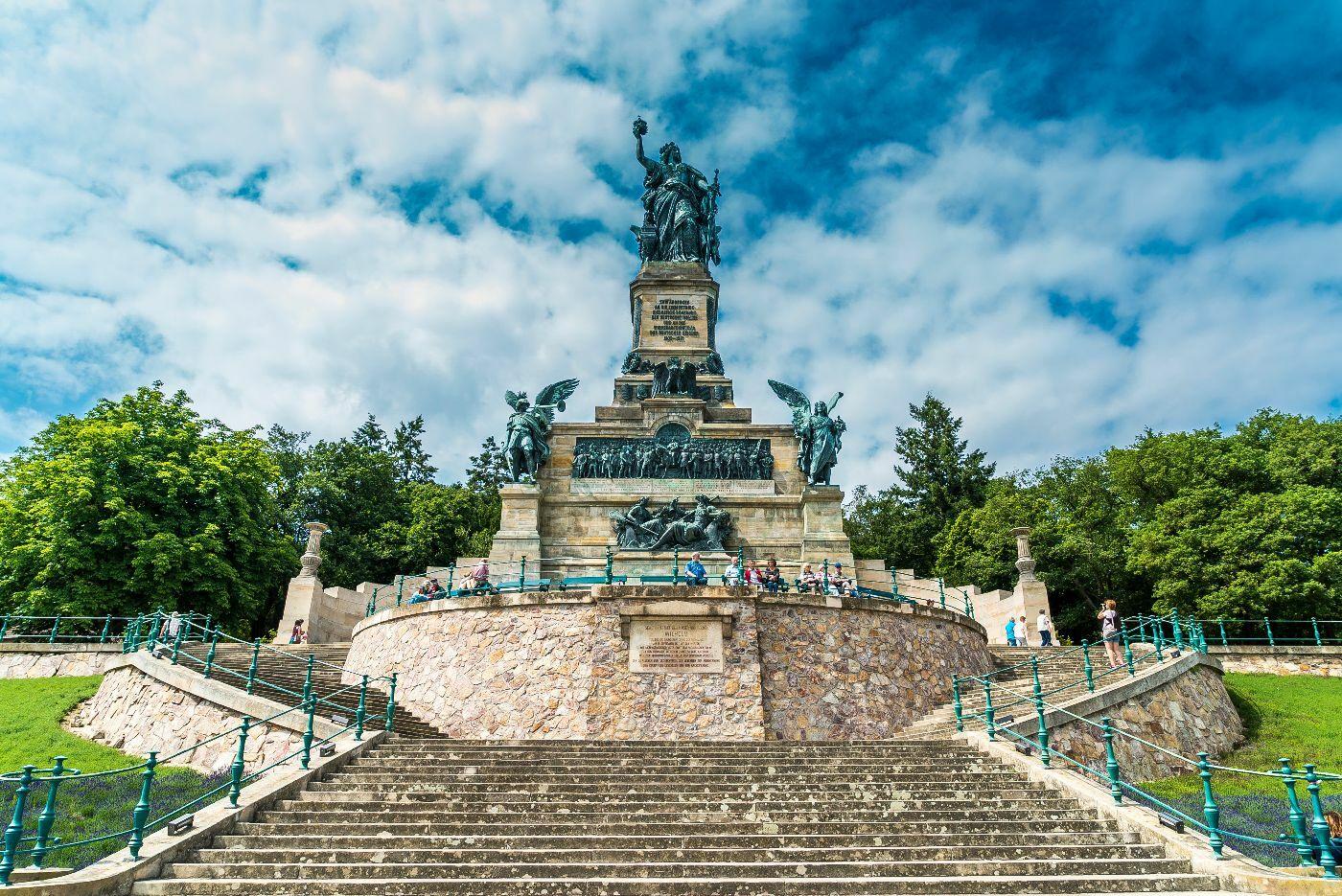
- 24 kilometres by car
The view from the Niederwalddenkmal near Rüdesheim is fantastic, the monument with the statue of Germania, which was built to mark the founding of the German Empire, is impressive. To get there and back, we recommend taking the cable car or chairlift from Rüdesheim and Assmannshausen.
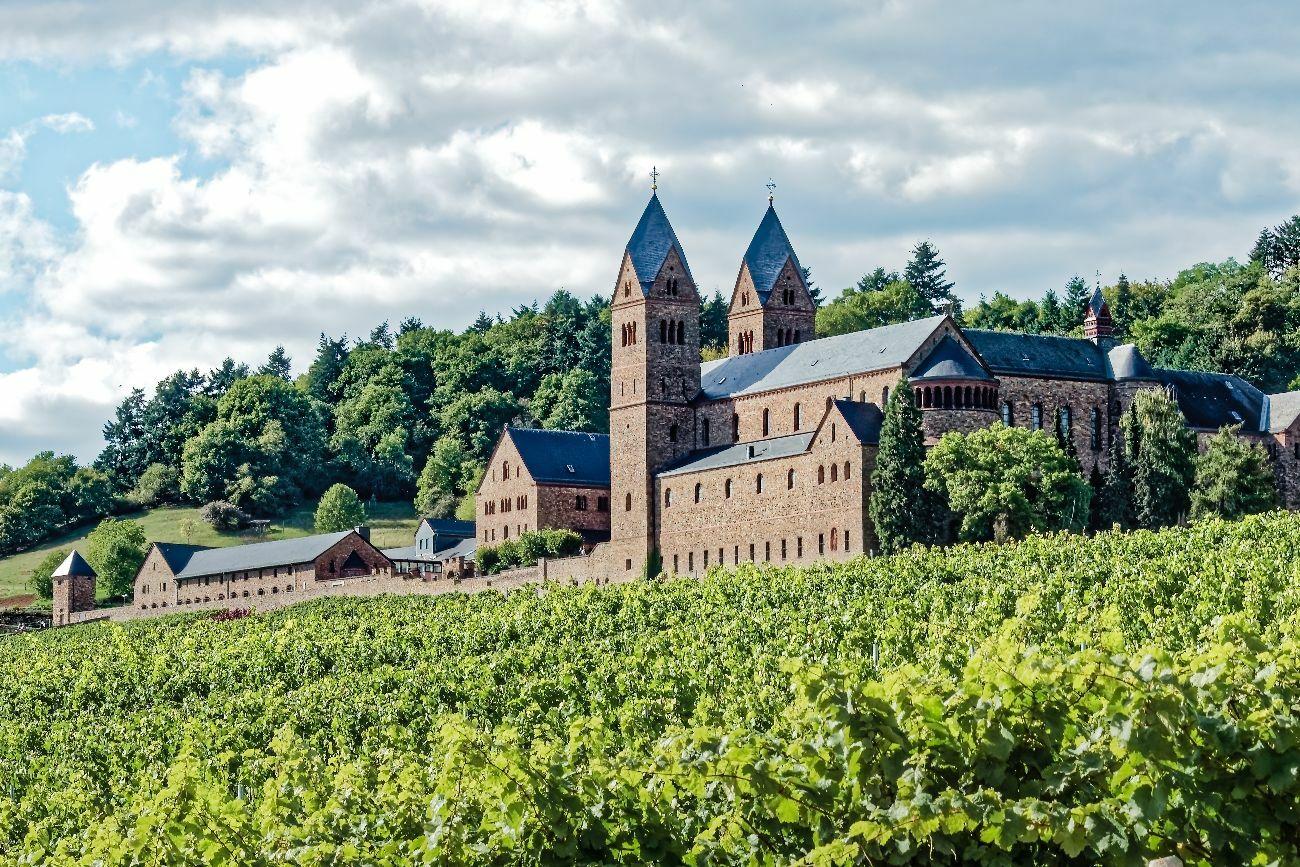
- 21 kilometres by car
The Benedictine Abbey of St Hildegard dates back to the time of St Hildegard of Bingen. The monastery life, the abbey church designed in the Beuron art style, the monastery shop and more invite you to visit. The monastery is also a place for spiritual contemplation.
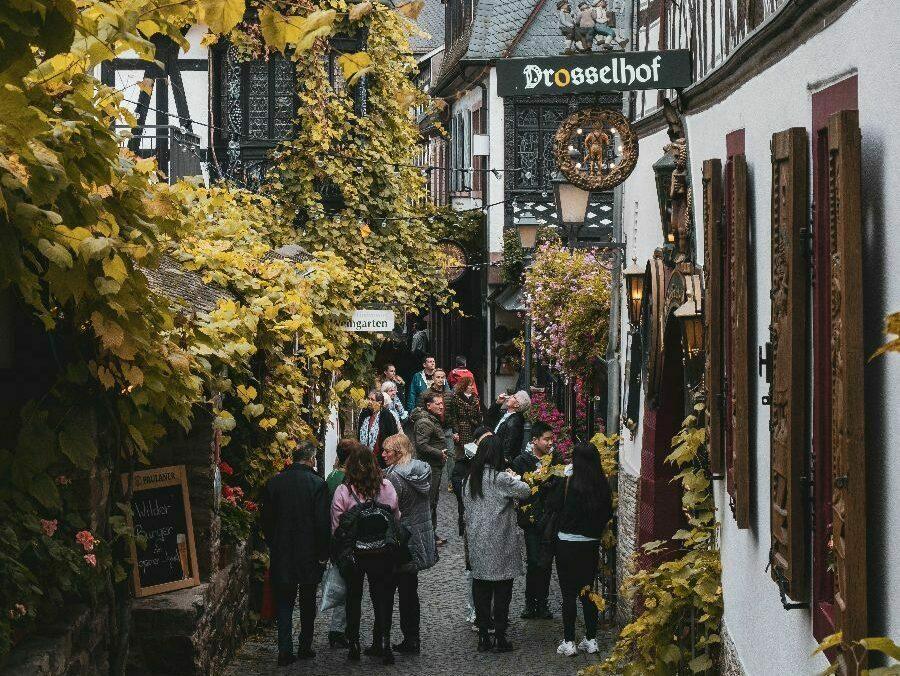
- 20 kilometres by car
Drosselgasse - a centre of attraction for visitors from all over the world. 144 metres of German history. Wine taverns, conviviality. Romantic and rustic.
- 22 kilometres by car
The Kurhaus and the Kurpark in Wiesbaden are two of the splendours of the Hessian state capital Today's Kurhaus, built by Friedrich von Thiersch, was inaugurated in 1907 Adjacent to it is the Kurpark, which stretches for five kilometres
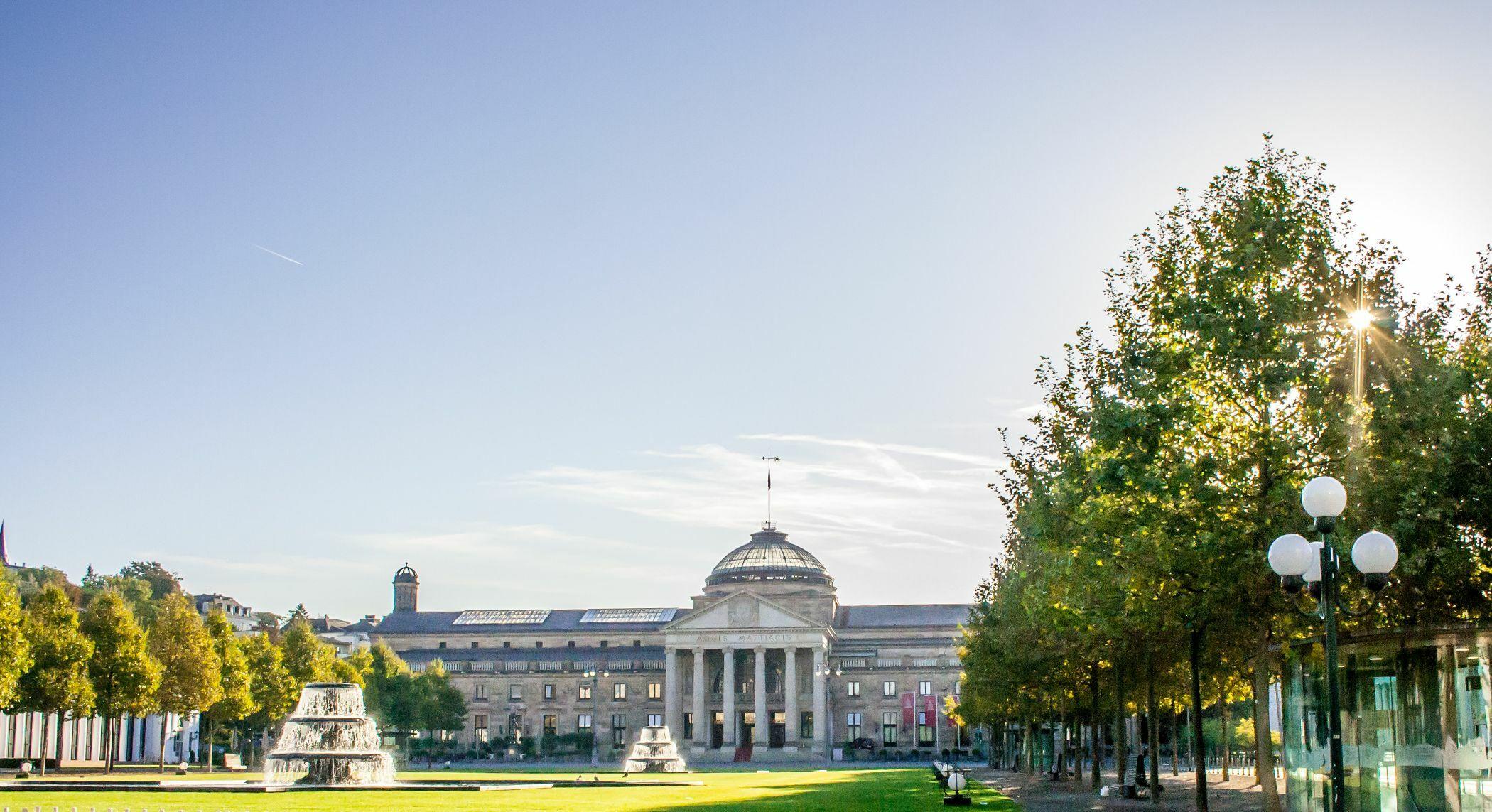
- 20 kilometres by car
Known as the ‘Greek Chapel’, the church built in the mid-19th century is in fact the Russian Orthodox parish church of the Russian community
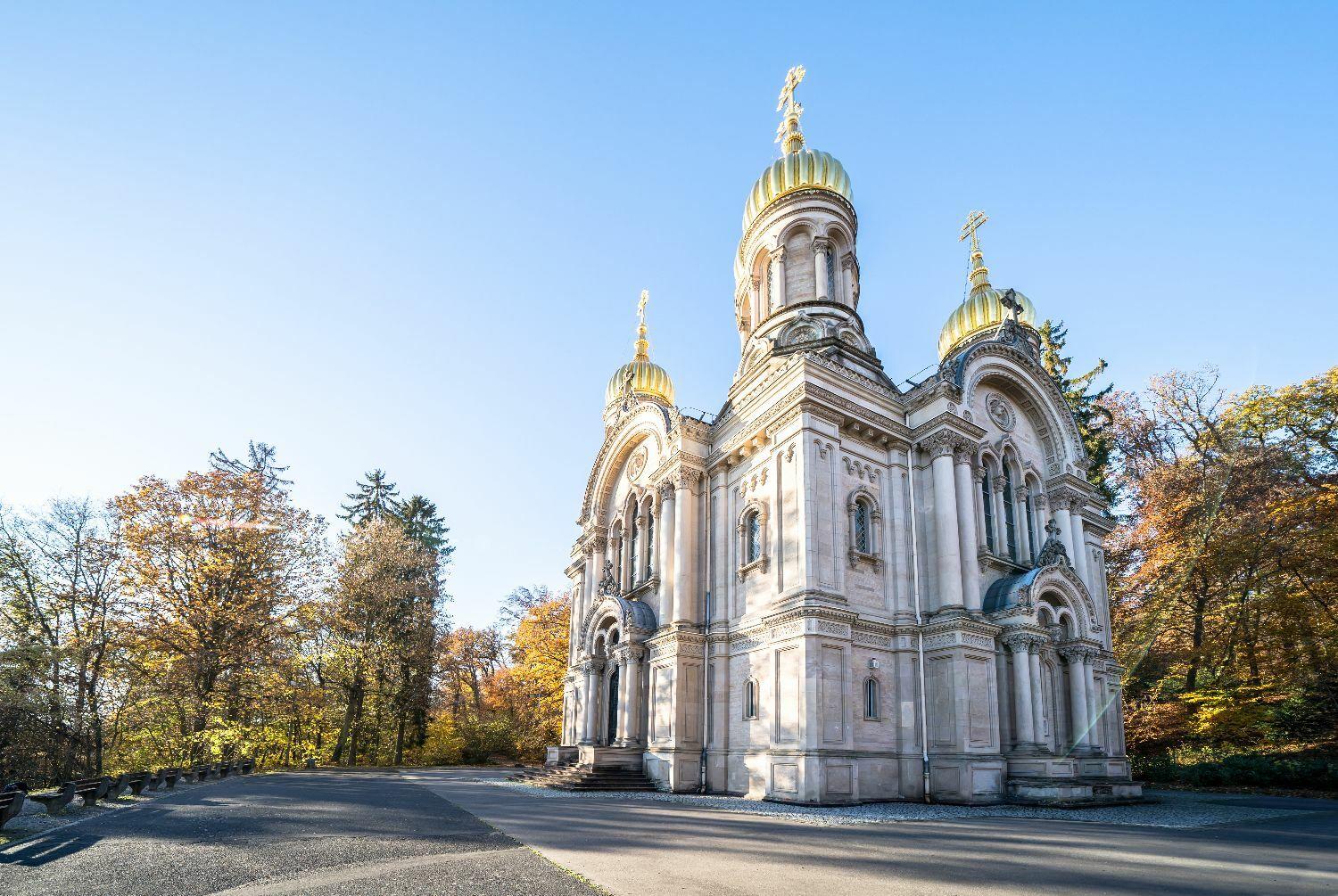
- 17 kilometres by car
It is one of the most important baroque castles on the Rhine. It served as the main residence of the princes and dukes of Nassau until 1841. The associated castle park in the style of an English landscape garden is open to the public
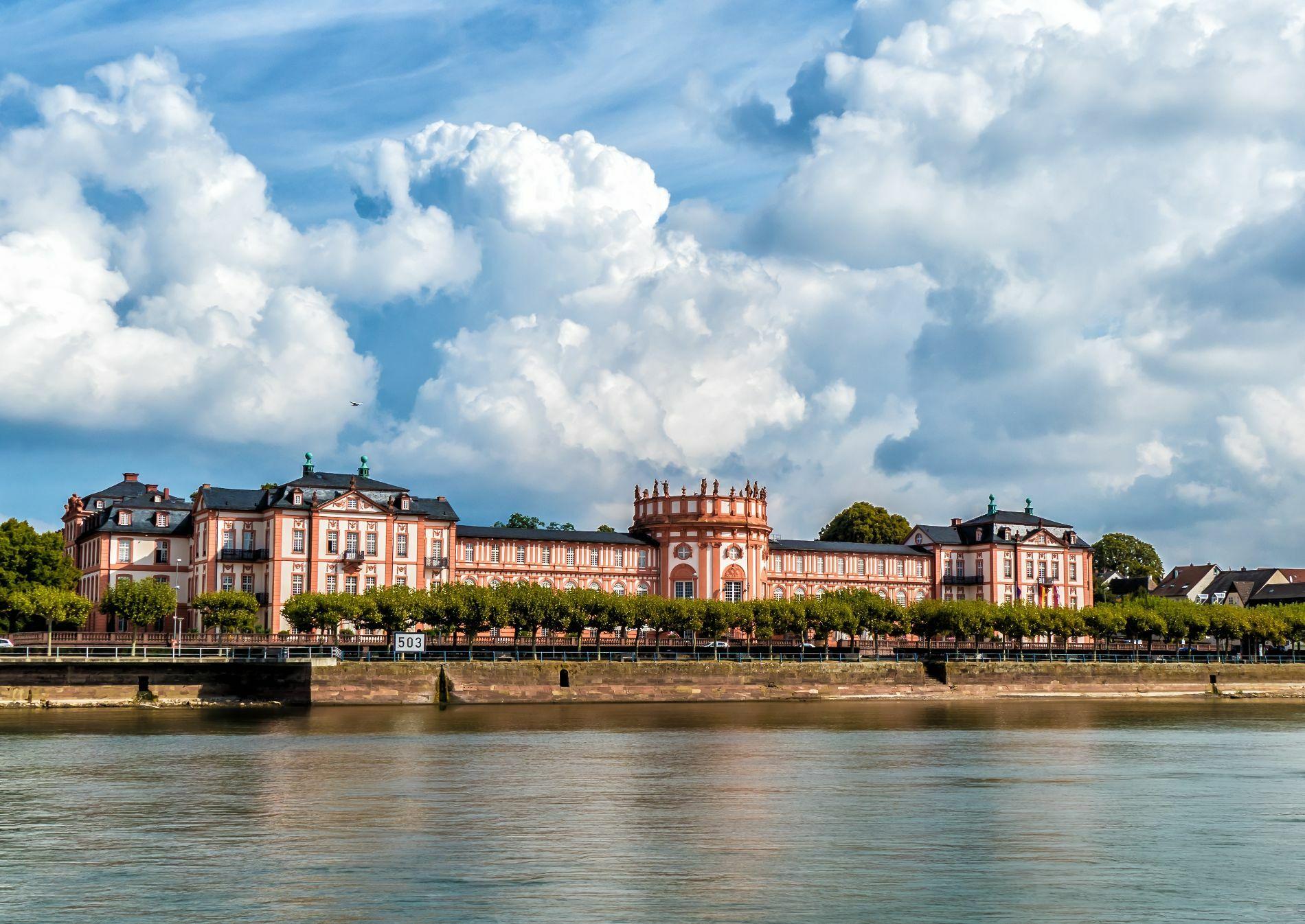
- 26 kilometres by car
Mainz Cathedral has been the venue for coronations and imperial conventions for centuries The cathedral in the heart of the Rhineland-Palatinate state capital is over 1.000 years old Romanesque, Gothic, Renaissance and Baroque styles can be found in its architecture
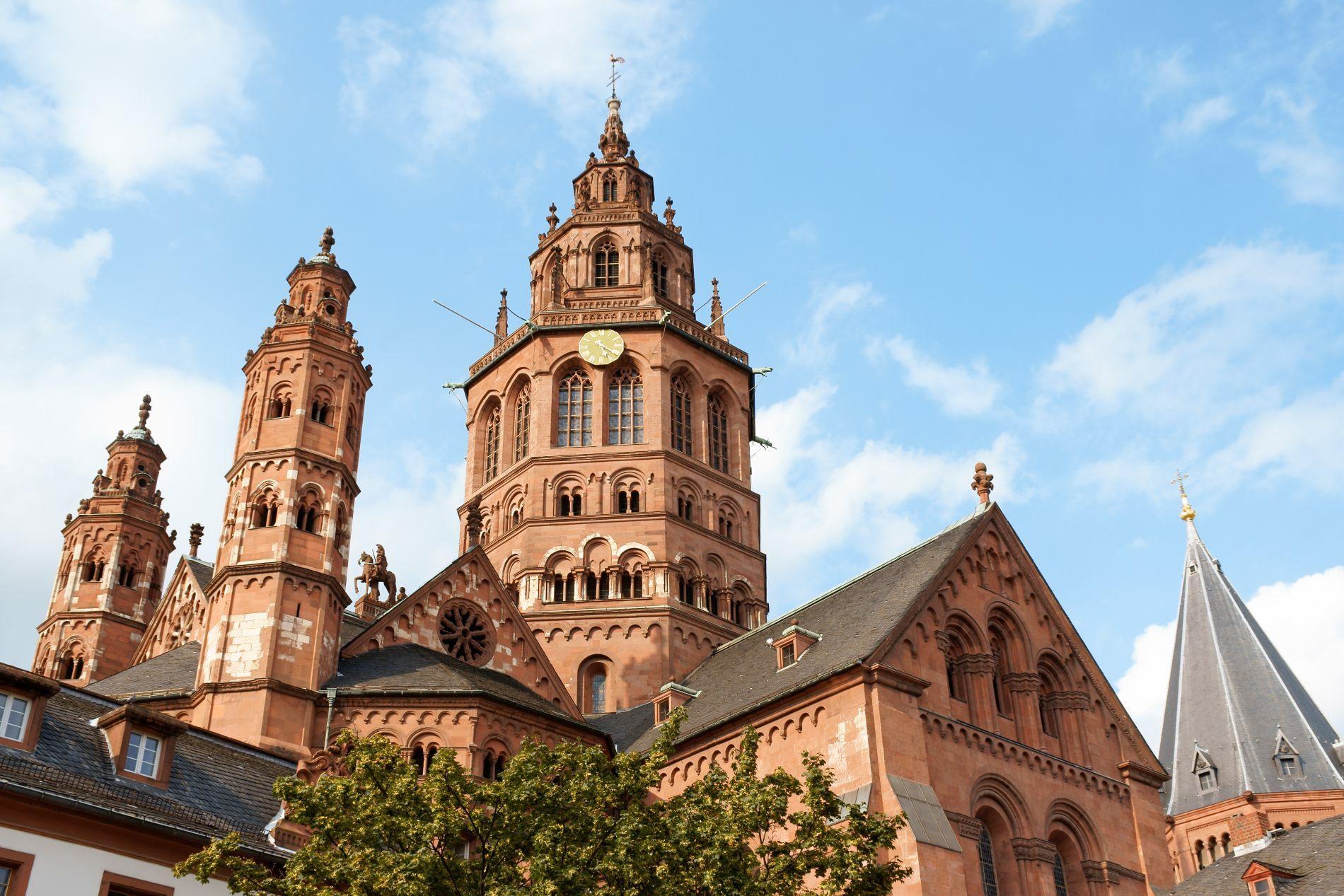
- 26 kilometres by car
The museum of printing in Mainz, the city of Gutenberg, where letterpress printing was invented, will be rebuilt from October 2024. In the meantime, the interim exhibition ‘Gutenberg Museum MOVED’ can be found in the Natural History Museum.
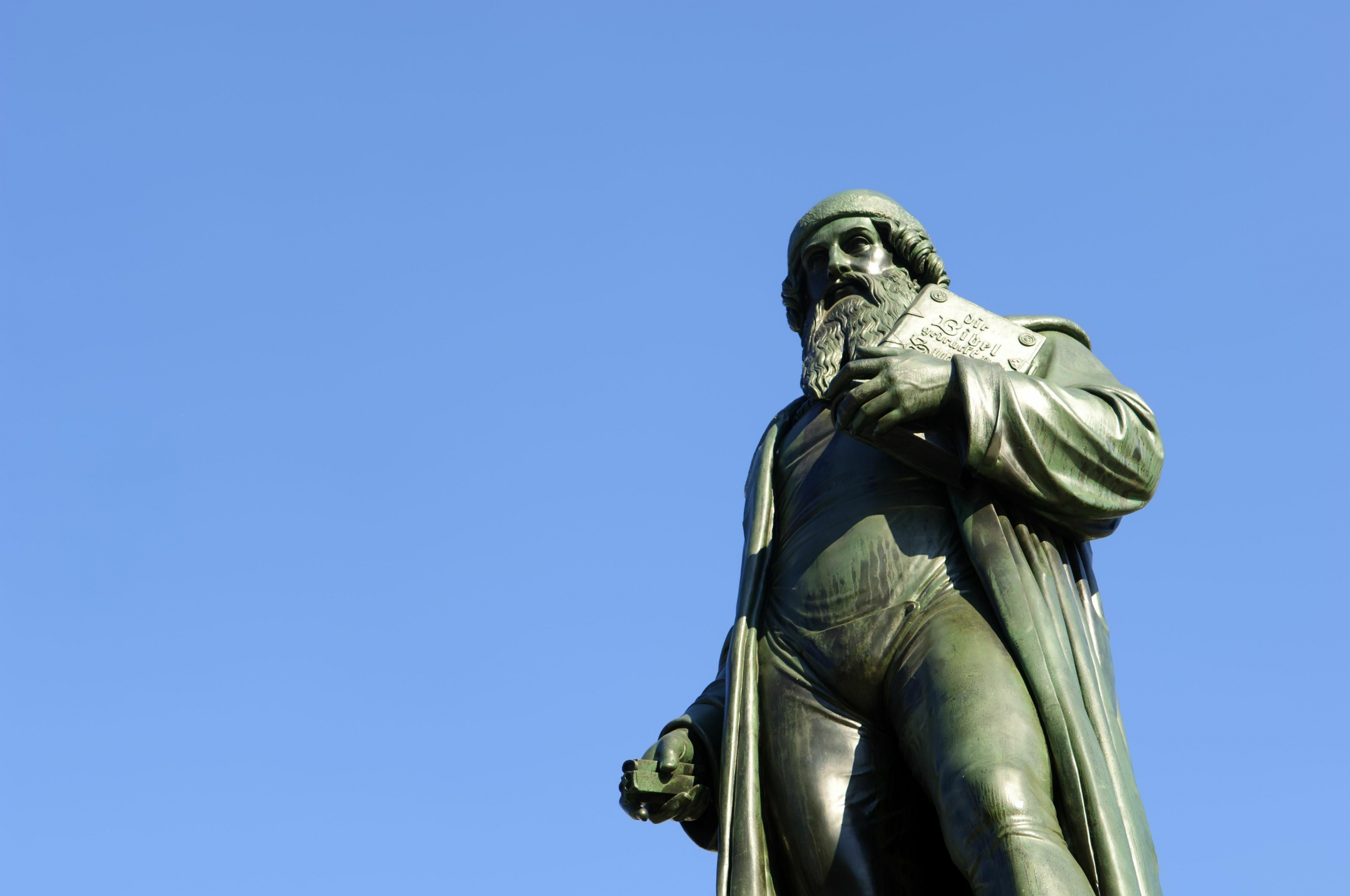
- 26 kilometres by car
The Roman Theatre on the edge of Mainz's old town was once the largest stage theatre in the north of the Alps Directly adjacent is the citadel. One of the most important large fortifications in Rhineland-Palatinate. It is also the home of the Drusus stone, which the Romans erected there for their general Drusus after his death.
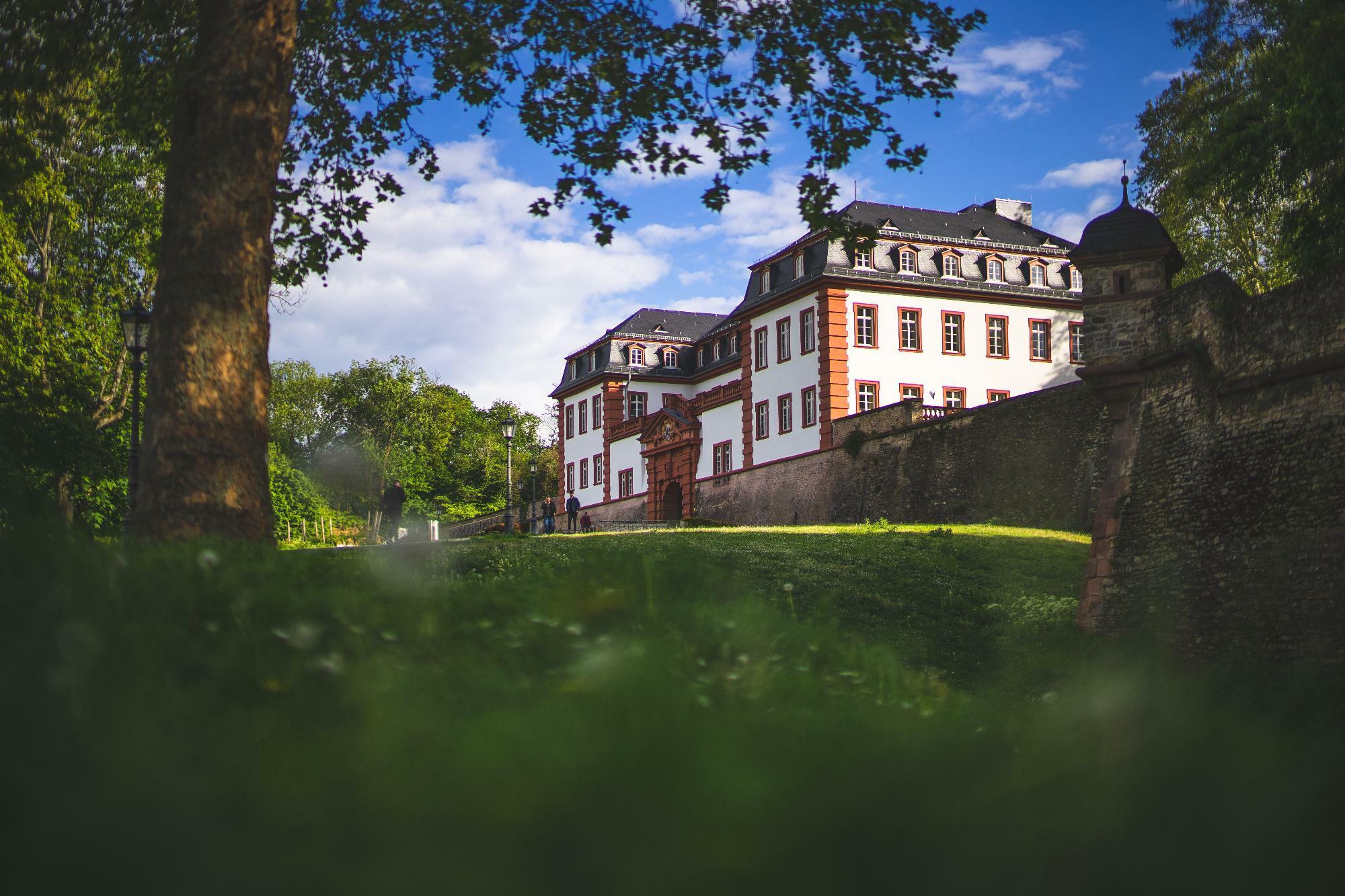
- 26 kilometres by car
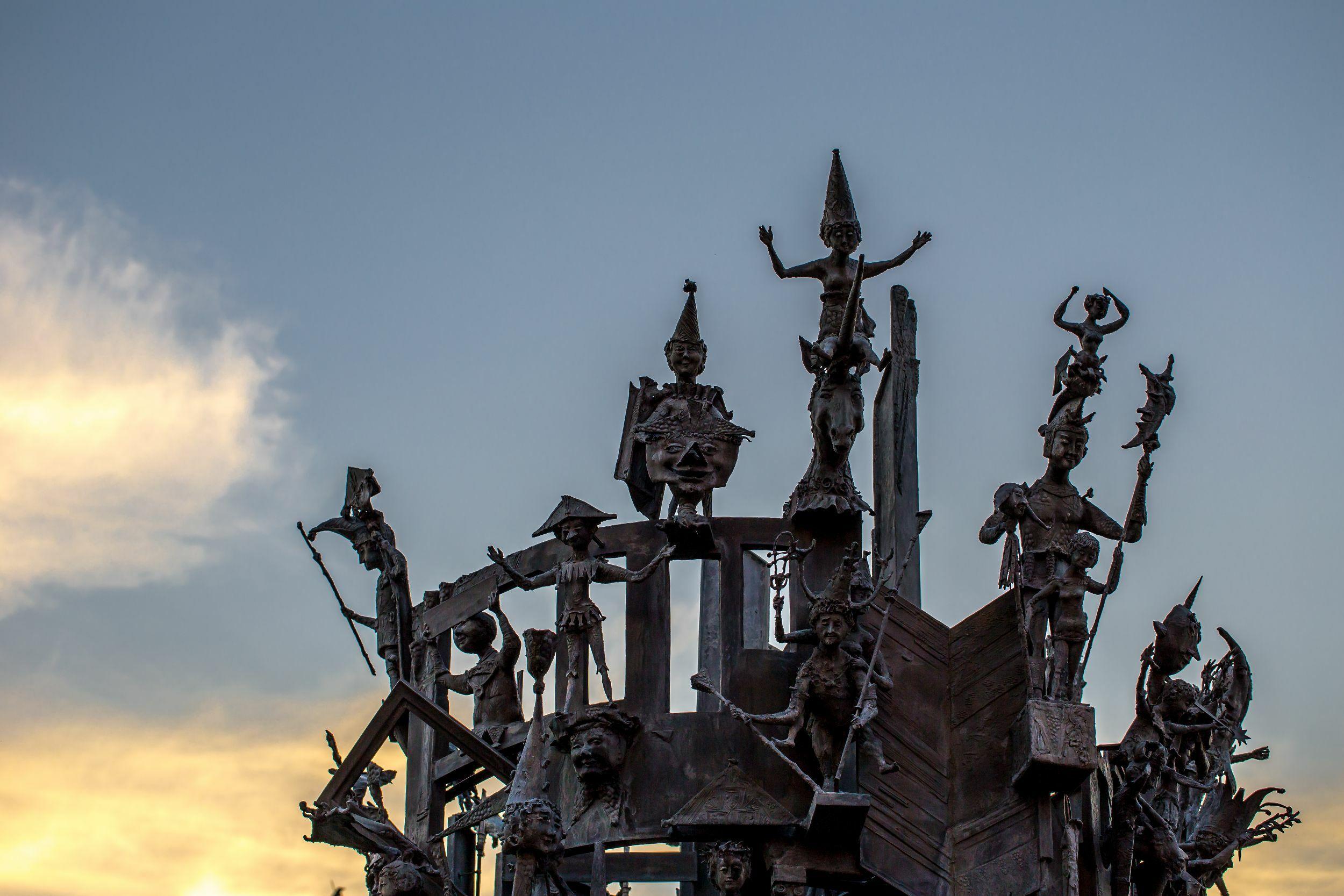
The Schillerplatz square is home to the symbol of Mainz's bubbling joie de vivre: the carnival fountain. It is adorned with over 200 figures from carnival and mythology. Carnival fans and tourists celebrate around the fountain on 11th November and during the carnival season.